You may not have heard of Google’s new plugin, aptly named Web Stories for WordPress, but Google has released a WordPress plugin for creating and publishing web stories.
Two years earlier, AMP technology, supported by Google, introduced a new format for stories on the web. Formerly known as AMP Stories, Web Stories offer a visual and mobile-focused storytelling format that presents content across a series of smaller pages.
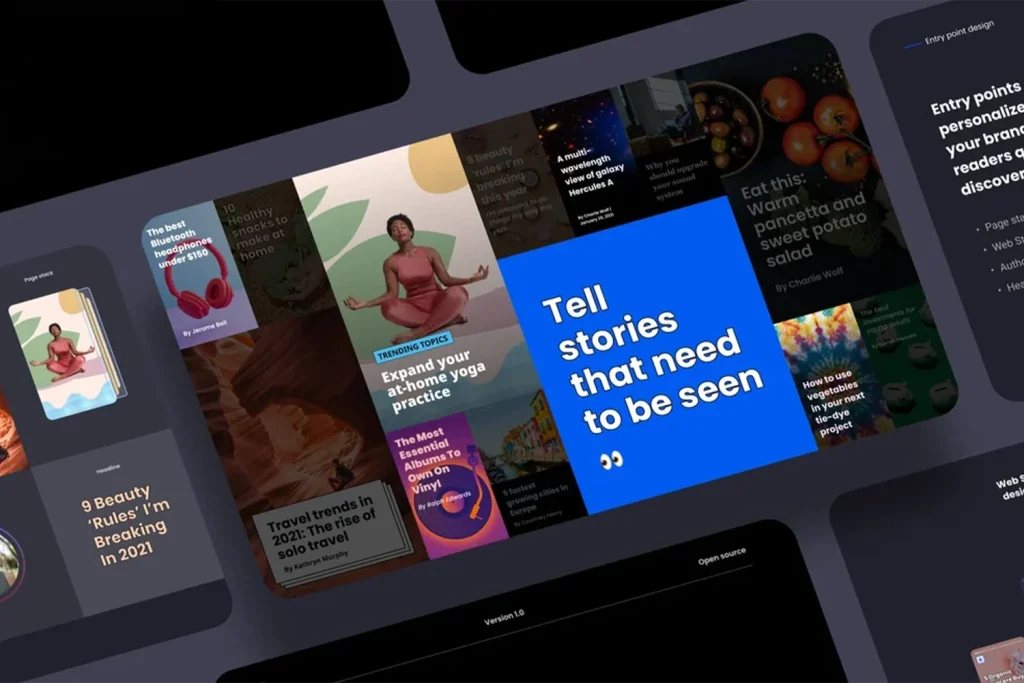
In 2018, Google included these stories in the AMP specification, allowing publishers to use the format for online storytelling. Google later renamed AMP Stories to Web Stories, strengthening the format’s identity as an open web publishing tool.
If your site is suitable for Google Web Stories, it must comply with the relevant Google content and publishing guidelines. Your content should also meet the eligibility requirements for appearing across Google Search and other Google surfaces. Reviewing these guidelines can help you decide whether Google Web Stories are worth your time.
To start creating web stories, you must first download and install the Google Web Stories plugin for WordPress. Once the plugin has been installed successfully, you can begin learning how to create and publish a web story using its visual editor.
The Google Web Stories plugin is designed for websites built with WordPress. It allows you to add images, GIFs and videos from your WordPress media library and arrange them into individual story pages. You can then create and publish stories directly from your website in a similar way to other WordPress content.
Like social media stories, web stories can include images, videos, text and other visual content. Unlike a post restricted to a social media platform, however, a web story is published on your own website and can be shared through other online channels.
WordPress powers a significant portion of websites across the internet, making it an accessible platform for businesses and publishers wanting to create Web Stories. The WordPress Web Stories plugin provides a familiar way to create visual, story-based content without relying entirely on social media platforms.
Web Stories can appear in Google Search and other eligible Google experiences when they meet the necessary technical and content requirements. They can also provide another way to attract website visitors through visual content published through WordPress. However, publishing a Web Story does not guarantee improved search rankings, and it should support a broader SEO and content strategy.
Like social media stories, the Google Web Stories plugin allows you to begin with a blank canvas or use an existing template. Web Stories make it possible to share interactive and visual content in a familiar, easy-to-follow format. They can contain photographs, videos, animations and text spread across multiple story pages.
Once you have published your web story and it meets Google’s requirements, it may become eligible to appear across different Google search experiences. Each Web Story has its own URL, which allows it to be indexed, shared and incorporated into your wider SEO strategy. You can also promote the story through social media, email and other marketing channels.
The URL format for your web stories is automatically managed by the Google Web Stories plugin for WordPress. The plugin generally places stories within a dedicated URL structure, although the available category and tagging options may differ from those used for standard WordPress posts. You can learn more about how the plugin manages Web Stories before publishing them.
After successfully installing and activating the plugin, you can create your first story through the Google Web Stories dashboard. You can also use structured data and appropriate story metadata to help Google understand the content.
The Google Web Stories plugin for WordPress may also allow you to include affiliate links within your stories, provided they comply with the relevant platform and advertising requirements. The metadata for your story is generally included automatically, although some details can be edited. Web Stories can also be monetised through advertising, affiliate links and sponsored content.
One useful feature of Google Web Stories is the ability to create clickable call-to-action links that direct visitors to another post, page or relevant destination. Visual media, useful questions and clear calls to action can encourage readers to continue engaging with your website after viewing the story.