Digital marketing has changed considerably since this article was first published in 2021.
Artificial intelligence now influences how people search, how advertising campaigns are managed and how businesses produce content. Customers are also discovering brands through more channels, including Google, social media, AI assistants, online communities and video platforms.
Businesses no longer need to chase every new platform or technology. The stronger approach is to understand which developments are changing customer behaviour and focus on the ones that support measurable business goals.
Here are seven digital marketing trends shaping 2026.
1. AI Search Is Changing How Customers Find Businesses
Google Search is no longer limited to a traditional list of blue links. AI Overviews and AI Mode can summarise information, compare options and respond to more detailed conversational questions.
Google has confirmed that its existing SEO principles remain relevant to these AI search experiences. Websites still need to be crawlable, technically sound and filled with helpful, original information.
This means SEO now needs to consider both traditional search rankings and whether content can be understood, trusted and referenced by AI systems.
Businesses can improve their visibility by publishing content that clearly answers customer questions, demonstrates genuine experience and includes accurate information about their services, products and locations.
Strong headings, internal links, structured data and clearly defined service pages can also help search engines understand what a business offers.
2. Original Experience Matters More Than Generic Content
AI tools can create articles, advertisements and social media posts quickly. As a result, the internet has become crowded with content that sounds polished but offers little new information.
Google allows businesses to use generative AI as part of their content process. However, producing large numbers of pages without adding meaningful value can breach its policies on scaled content abuse.
The content most likely to stand out in 2026 includes something competitors cannot easily reproduce.
This may include:
- First-hand professional experience
- Original photographs and videos
- Customer case studies
- Expert commentary
- Local knowledge
- Real examples and results
- Clear answers based on genuine customer questions
AI can assist with research, planning and editing, but businesses still need to contribute their own expertise and point of view.

3. Paid Advertising Is Becoming More Automated
Google Ads and Meta Ads continue to place more campaign decisions in the hands of artificial intelligence.
Google Performance Max uses AI across bidding, budgets, audiences, creative assets and attribution. It can distribute advertisements across Search, Maps, YouTube, Display, Discover and Gmail based on the advertiser’s conversion goals.
Meta is following a similar direction through its Advantage+ advertising products, which use automation to help select audiences, placements and creative combinations.
Automation does not remove the need for skilled campaign management.
Advertising platforms still need reliable conversion tracking, useful creative assets, accurate product or service information and clear business goals. Poor-quality inputs can cause automated campaigns to optimise towards leads or actions that provide little real value.
The strongest campaigns combine platform automation with human oversight, business knowledge and regular performance reviews.

4. Video Content Is Becoming Part of Every Marketing Channel
Video is no longer restricted to YouTube advertisements or large brand campaigns.
Businesses can now use short videos across Instagram, Facebook, TikTok, YouTube, websites, email campaigns and Google Business Profiles. Longer videos can support product demonstrations, customer education, interviews and case studies.
A single video can also be adapted into several marketing assets. A longer interview may become short social media clips, written articles, email content and answers to frequently asked questions.
Businesses do not always need highly produced videos. Clear sound, useful information and a genuine presentation can be more valuable than expensive effects.
The objective should be to help customers understand the business, answer a question or see a product or service in action.
5. First Party Data Is Becoming More Valuable
Businesses have relied heavily on advertising platforms to identify and retarget potential customers. Privacy changes, browser restrictions and reduced access to third-party data have made this approach less dependable.
First party data is information a business collects directly from its own customers and potential customers.
It may include:
- Website enquiry details
- Email subscribers
- Customer purchase history
- CRM records
- Quote requests
- Appointment information
- Customer preferences
- Loyalty program data
Businesses can use this information to create more relevant follow-up campaigns, improve customer segmentation and build stronger relationships.
Customers should understand why their information is being collected and how it will be used. Privacy policies, consent processes and data security should be reviewed as marketing databases grow.
6. Marketing Automation Is Moving Beyond Email
Marketing automation previously focused mainly on sending email sequences. It can now connect websites, customer relationship management platforms, booking systems, text messages, advertising platforms and internal business processes.
For example, a website enquiry can automatically be added to a CRM, assigned to the right staff member and followed by an email or SMS. The system can then create reminders if the enquiry has not received a response.
Automation can also support:
- Appointment reminders
- Quote follow-ups
- Review requests
- Customer onboarding
- Lead qualification
- Missed-call messages
- Reporting
- Re-engagement campaigns
The goal should not be to remove every human interaction. It should be to reduce repetitive administration while making sure customers receive timely and useful communication.
Businesses should begin with one clearly defined process rather than attempting to automate everything at once.
7. Local Search Is Becoming More Detailed
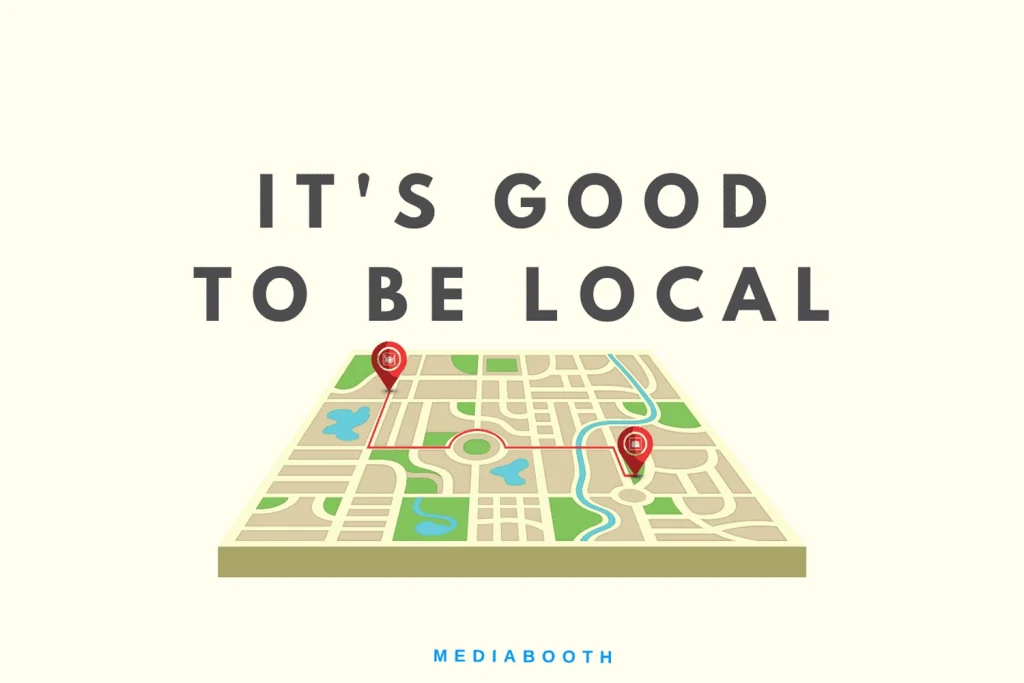
Local SEO remains essential for businesses that serve particular suburbs, cities or regions.
A complete Google Business Profile, accurate contact information and consistent business details continue to support local visibility. Reviews, service descriptions, photographs and regular profile updates can also help potential customers evaluate a business.
Local optimisation now extends beyond repeatedly inserting a suburb name into website content.
A useful local strategy may include:
- Dedicated pages for genuine service areas
- Locally relevant project examples
- Customer reviews from the region
- Accurate opening hours and contact details
- Original photographs
- Clear service descriptions
- LocalBusiness structured data
- Helpful answers to location-specific questions
Businesses should only create location pages when they genuinely serve those areas and can provide useful information. Thin pages that simply replace one suburb name with another are unlikely to provide a strong customer experience.
What Should Businesses Focus on in 2026?
The common theme connecting these trends is quality.
AI can speed up content production and campaign management, but it cannot compensate for an unclear offer, weak tracking or a poor customer experience. Businesses still need accurate information, useful content and a clear understanding of the people they want to reach.
Start by reviewing how customers currently discover and contact your business. From there, identify the biggest gaps across your website, SEO, advertising, content and follow-up processes.
A focused strategy built around measurable outcomes will usually produce better results than attempting to follow every new marketing trend.
Build a Smarter Digital Marketing Strategy
Media Booth helps businesses bring SEO, Google Ads, Meta Ads, content, website development and marketing automation together as part of one practical strategy.
Contact our team to discuss where your digital marketing is performing well, where opportunities may be getting missed and what should be prioritised next.
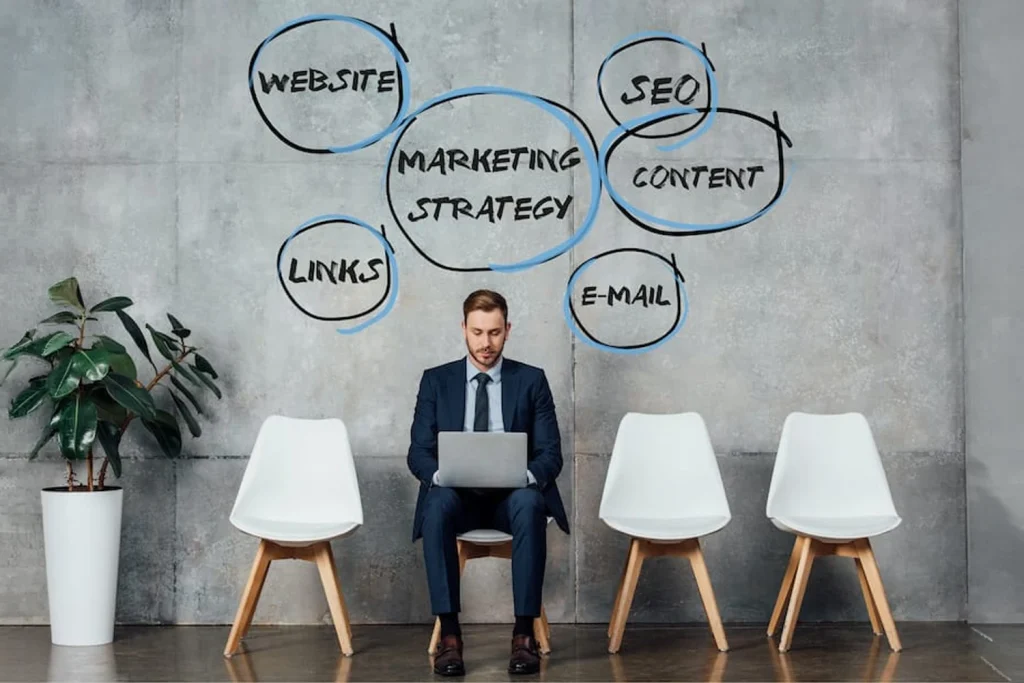
This article was originally published on 28 January 2021 and has since been updated to reflect current digital marketing trends, tools and best practices.