You’ve already paid to get people to your website.
They checked a service page, compared options, then left. No call. No form. No purchase.
That’s the exact moment ads remarketing earns its keep.
A good remarketing company helps you bring back those warm visitors and turn “maybe later” into enquiries and sales. A bad one burns budget on low-quality clicks and annoying ads that follow people for weeks.
This guide is for business owners and marketing managers comparing remarketing companies and trying to work out: who’s actually going to drive outcomes?
Quick definition: remarketing in plain English
If you’ve ever visited a website and then seen their ads later on Google, YouTube, Facebook or Instagram, that’s remarketing (also written as re-marketing).
The re marketing meaning is simple:
- Someone shows interest (visits your site, views a product, starts a form)
- You show them relevant follow-up ads
- You guide them back to complete the action
It’s not about “more impressions”. It’s about more conversions from the traffic you already have.
Who remarketing works best for
Remarketing works in most industries, but it shines where people need time to decide.
Common examples:
- Trades and local services: plumbing, electrical, pest control, solar, builders
- Health and clinics: dental, physio, allied health (within platform policy)
- High-consideration retail: furniture, outdoor, marine, fitness equipment
- Professional services: accountants, brokers, legal (policy dependent)
If your buyers compare options, ask partners, or wait until payday, remarketing gives you extra chances to win the job.
What a good remarketing service actually includes
Many people search “remarketing agency” and get pitched the same thing: “We’ll run retargeting ads.”
That’s not enough. Here’s what you should expect from remarketing services that are built for results.
1) Tracking that matches your real goals
If conversion tracking is wrong, everything else is guessing.
A remarketing ad agency should confirm:
- What counts as a conversion (form submit, phone call, booking, purchase)
- Where the conversion fires (thank you page, button click, call tracking)
- Whether conversions are duplicated or missing
- Whether you can see performance by device and channel
If you’re on WordPress and your Pixel setup is messy, this guide helps: How to install the Facebook Pixel
2) Audience strategy based on intent (not “all visitors”)
“All website visitors” is easy. It’s also blunt.
Better audiences are based on what the person did:
- Viewed a high-intent page (pricing, booking, quote, product page)
- Spent a meaningful amount of time on site
- Added to cart but didn’t buy
- Started a form but didn’t submit
- Existing customers (for upsells and repeat purchases)
The more specific the audience, the more relevant the ad.
3) Creative that fits the next step
Remarketing isn’t one message. It’s a sequence.
Examples that work for local services:
- Service-page viewer: “See pricing / inclusions” and proof (reviews, turnaround times)
- Quote starter: “Finish your quote in 60 seconds” with a simple reminder
- Brand-aware visitor: “Here’s what happens after you book” to reduce friction
For social, you’ll often need more creative variation than you expect.
If you’re using video for YouTube remarketing, keep it tight. This is a useful reference: 5 tips to get the most out of your 6 second YouTube Ads
4) Sensible guardrails (so you don’t annoy everyone)
Remarketing can go wrong fast if it’s not managed.
Your agency should set and monitor:
- Frequency (how often people see your ad)
- Audience duration (how long someone stays in the audience)
- Exclusions (people who converted should be removed)
- Placement controls (especially on Display and social)
If they can’t explain these in plain English, that’s a red flag.
Google Ads remarketing vs Facebook/Instagram remarketing
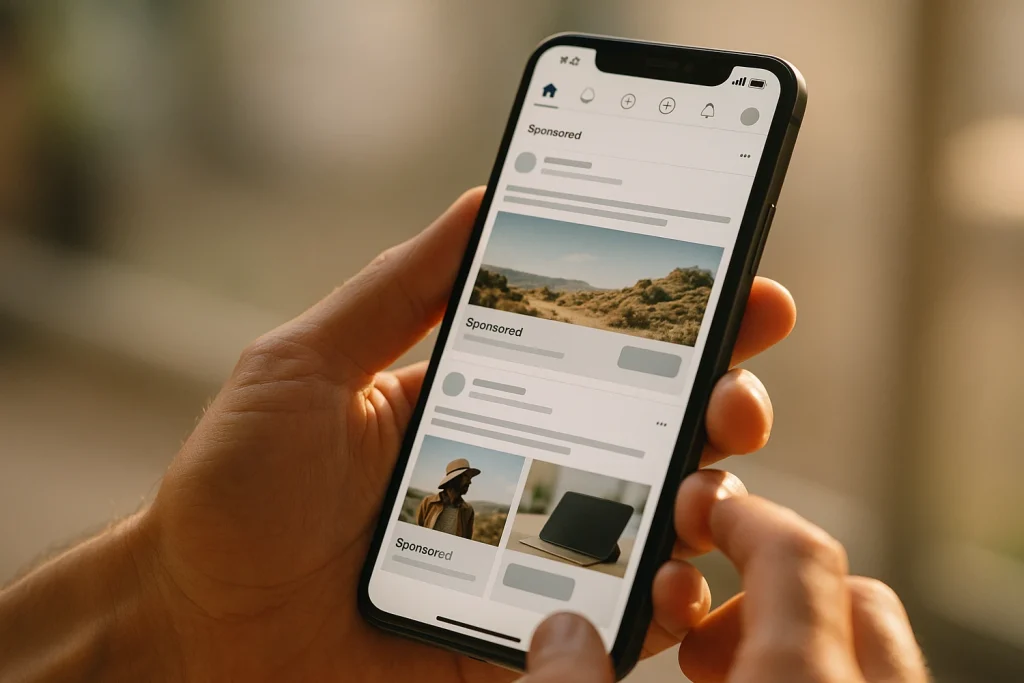
You don’t need every channel on day one. You need the right mix for your buyer journey.
Google Ads / PPC remarketing
Google remarketing can show on:
- Google Display Network (banner-style ads)
- YouTube
- Google Search (RLSA: remarketing lists for search ads)
This is strong when people come back to Google to keep researching.
If you’ve heard the term “adwords remarketing services”, it’s usually referring to Google Ads remarketing (AdWords was the old name).
Facebook remarketing + remarketing Instagram
Facebook remarketing services put your offer back in front of people as they scroll.
This works well for:
- Staying top of mind during a longer decision
- Using creative to build trust (video, testimonials, FAQs)
- Moving people to a call or booking page with a clear offer
For a deeper explainer, see: What is Facebook & Instagram remarketing/retargeting?
What to ask before hiring a remarketing company
These questions cut through sales talk.
“How will you measure success in the first 30 days?”
You want specific outcomes and a plan.
A good answer includes:
- Tracking checks in week 1
- A baseline report (current conversion rate, cost per lead, top pages)
- One or two focused tests (audiences, creative angles, landing page)
- Weekly performance review against conversions
“What will you change if performance is flat?”
If they say “wait for the algorithm”, push harder.
You want a testing approach:
- New audience splits (high intent vs general)
- Different offers (quote, call, booking, download)
- Creative refresh schedule
- Landing page fixes if conversion rate is the real problem
“Do you cap frequency and exclude converters?”
If the answer isn’t an immediate “yes”, that’s your sign.
“Who owns the ad accounts and data?”
You should own your Google Ads and Meta accounts.
Your remarketing agency should work inside them, with clear access and clean tracking. No lock-in vibes.
“Can you show what you report each month?”
A proper report is not 20 pages of charts.
It should tell you:
- What happened (results)
- Why it happened (insights)
- What changed (actions)
- What’s next (tests)
A practical remarketing plan you can start this week
If you’re not ready to engage an agency yet, here’s a simple plan that’s hard to break.
- Pick one conversion goal. Calls or form submits. Keep it simple.
- Build two audiences.
- High intent: pricing/booking/quote/product pages
- General: all visitors
- Write two ads per audience.
- High intent: clear offer and direct CTA
- General: trust proof + softer CTA
- Exclude converters. AlWays.
- Check these metrics weekly:
- Conversions and cost per conversion
- Conversion rate on the landing page
- Frequency (for social)
- Top placements (cut the junk)
If your conversion rate is low, remarketing won’t fix that on its own. It will just send more people to the same leaky bucket.
Common mistakes we see (and how to fix them)
Mistake 1: Remarketing to everyone for 30+ days
If someone visited once and bounced, a month of ads is rarely helpful.
Fix: shorten durations for cold visitors and focus on high-intent segments.
Mistake 2: Same ad, same message, everywhere
People need different prompts depending on their stage.
Fix: match ads to behaviour. Service page visitors get service proof. Cart abandoners get a reminder and a reason to return.
Mistake 3: No landing page alignment
If your ad promises “Get a fast quote” but the page is a general homepage, you’ll feel it in your cost per lead.
Fix: send each audience to the most relevant page. Then improve that page based on real user behaviour.
Mistake 4: Confusing reports
If you can’t tell what you’re paying for, it won’t last.
Fix: ask for reporting tied to leads, sales, and cost per conversion.
How Media Booth runs digital remarketing solutions
Media Booth is a boutique team on the Gold Coast. We work with SMEs across Australia who want straight answers, clear reporting, and campaigns built around outcomes.
Our approach is practical:
- We start with tracking and conversion checks
- We build intent-based audiences (not just “all visitors”)
- We test creative angles and offers, then keep what performs
- We cut waste early (placements, exclusions, frequency)
- We report on what matters: leads, sales, cost per lead, conversion rate
If you’re also comparing broader growth partners like an SEO company Gold Coast, or you’re researching options like an SEO company Darwin, SEO company Hobart, or an SEO company in Hobart, it’s worth thinking about how SEO and remarketing work together.
SEO brings in consistent traffic. Remarketing converts more of it.
What to do next (clear, commercial next step)
If you’re looking for a remarketing company and want a second opinion before you commit budget, we can help.
Book a quick call with Media Booth and we’ll:
- Review your current tracking and conversion setup
- Identify the best remarketing audiences for your website
- Recommend a channel mix (Google, YouTube, Facebook/Instagram)
- Map the first month of tests and what we’ll report on
If you already have campaigns running, bring your last 30 days of results. We’ll focus on what to change first.
Visit our remarketing page to get started: Remarketing hub

FAQs: remarketing companies and services
What are remarketing services?
Remarketing services are the setup and management of ads shown to people who have already interacted with your website or customer list. This includes tracking, audience creation, creative, budgeting, exclusions, and ongoing testing.
Are remarketing and PPC remarketing the same thing?
PPC remarketing usually refers to paid remarketing through platforms like Google Ads (pay-per-click). Remarketing can also include paid social (Meta) and sometimes email-based audiences.
Is remarketing only for ecommerce?
No. It works well for lead generation too. Service businesses can remarket to people who visited key pages and push them back to a booking or quote form.
Do I need a lot of website traffic for re-marketing?
You need enough traffic to build an audience. If traffic is low, start with Google Search campaigns or SEO to increase volume, then add remarketing once audience sizes are meaningful.
Can you run remarketing without cookies?
Platforms are changing due to privacy rules. You can still run remarketing in most cases, but setup and audience sizes can be affected. A good agency plans for this with first-party data, consent-aware tracking, and creative that works even with smaller audiences.
How do I know if my remarketing is working?
Check conversions and cost per conversion first. Then check conversion rate and frequency. If you’re spending but not converting, look at audience relevance, landing page fit, and tracking accuracy before increasing budget.